
Country condition reports for asylum and protection claims.
Independent reports for USCIS, EOIR, and international forums: researched with care, written without advocacy language.
- Independent research
- Sanitised intake
- Court-ready format
Evidence built to hold under scrutiny.
We supply the documentary foundation for protection claims: factual, exhaustively cited, and calibrated to immigration court standards.
Court-aware structure
Reports organised for Immigration Judges, the BIA, and international tribunals: objective, cited, and free of advocacy rhetoric.
Layered open-source research
Intelligence triangulated against State Department reporting, NGO field monitoring, and institutional disclosures.
Deadline-aware delivery
Scheduling calibrated to filing and hearing calendars, with clear scoping for urgent defensive proceedings.
Different risks, different analysis.
Each category isolates the framework appropriate to the claim: state persecution is not treated as gang predation.
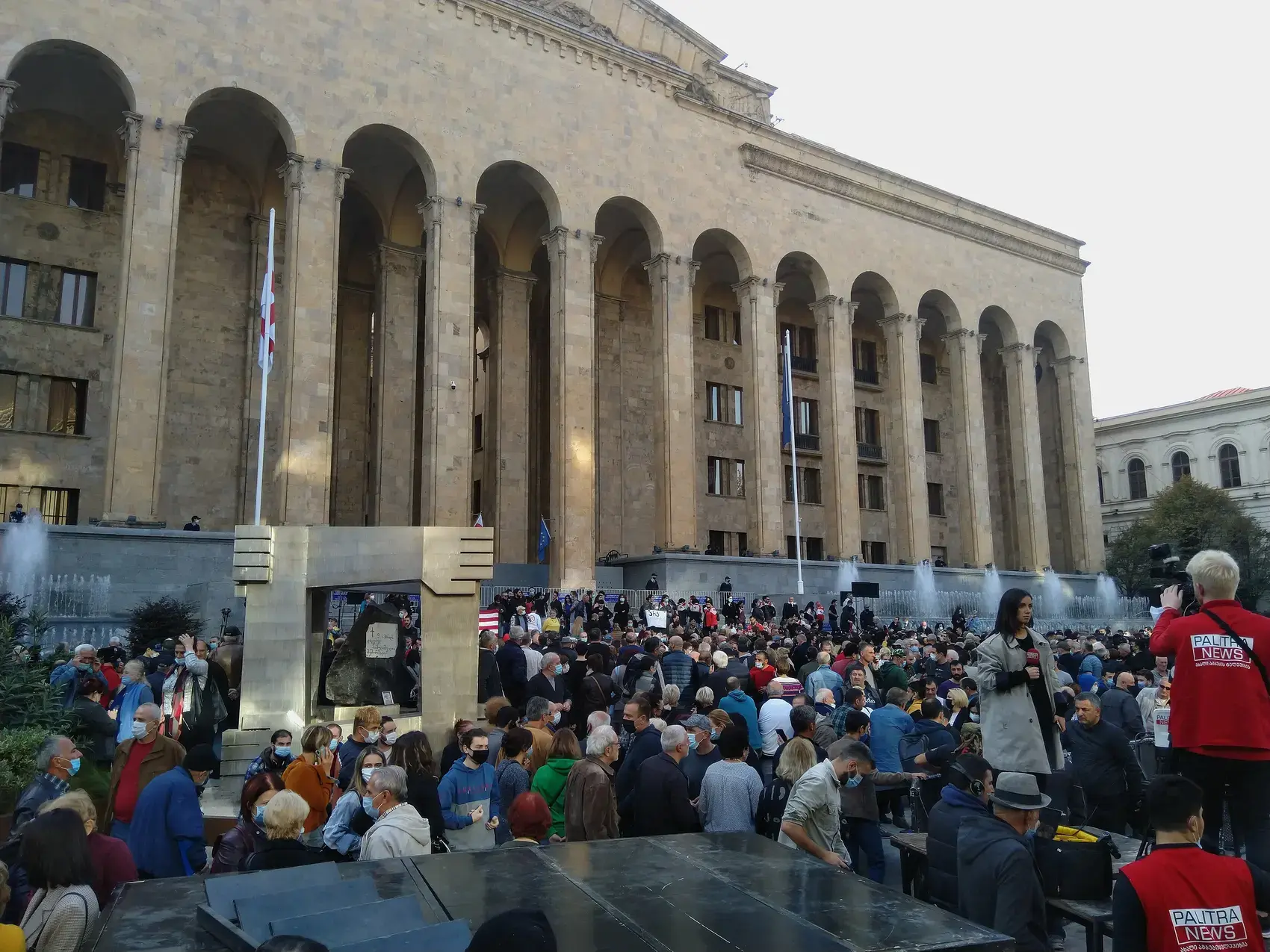
Political Asylum
Objective documentation of state actor conduct, political targeting patterns, and the sufficiency of domestic protection for claims grounded in political opinion.
Read the framework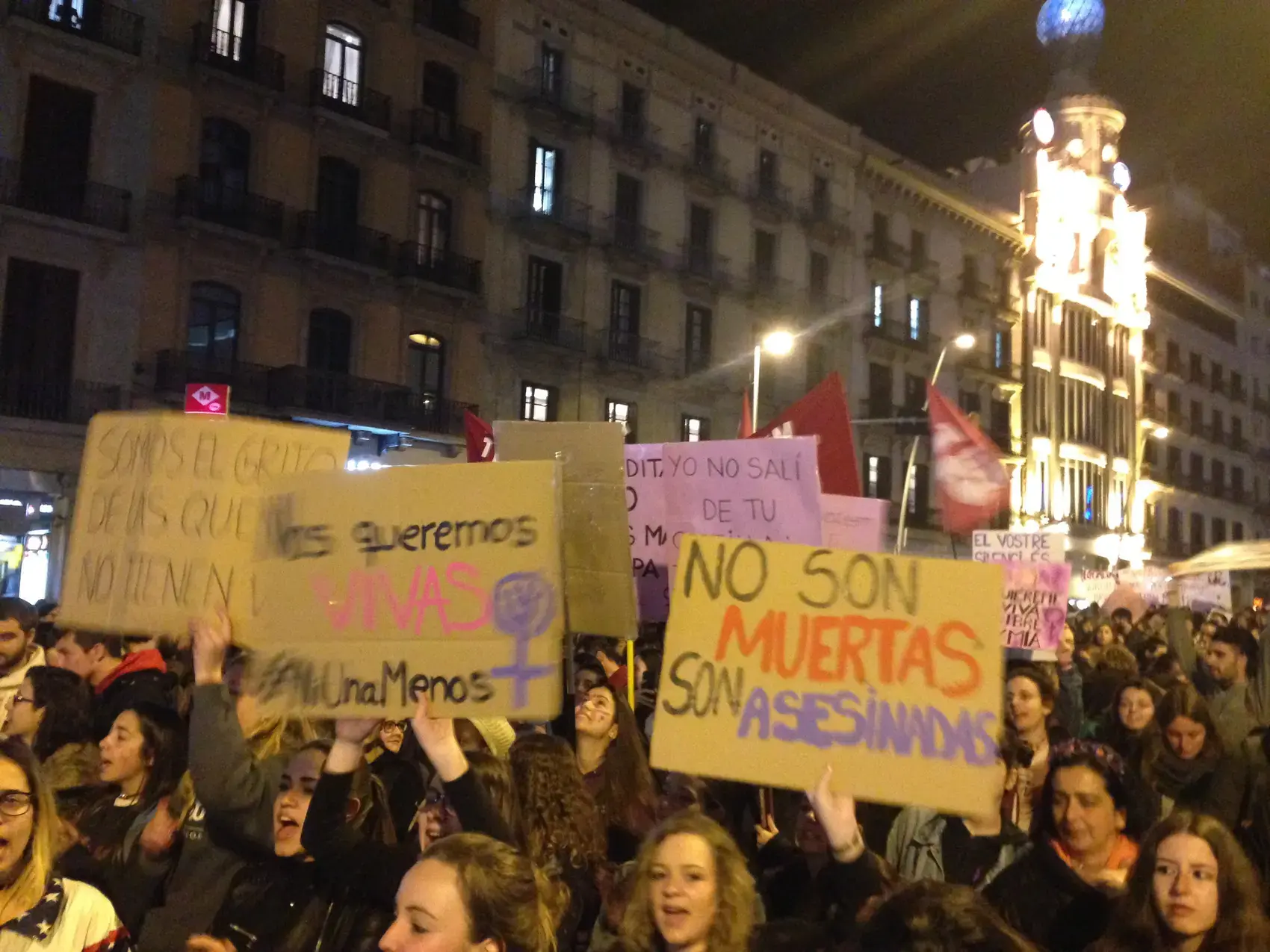
Gender-Based Violence
Structured analysis of gender-based violence, domestic violence, and related particular social group frameworks, including state protection adequacy.
Read the framework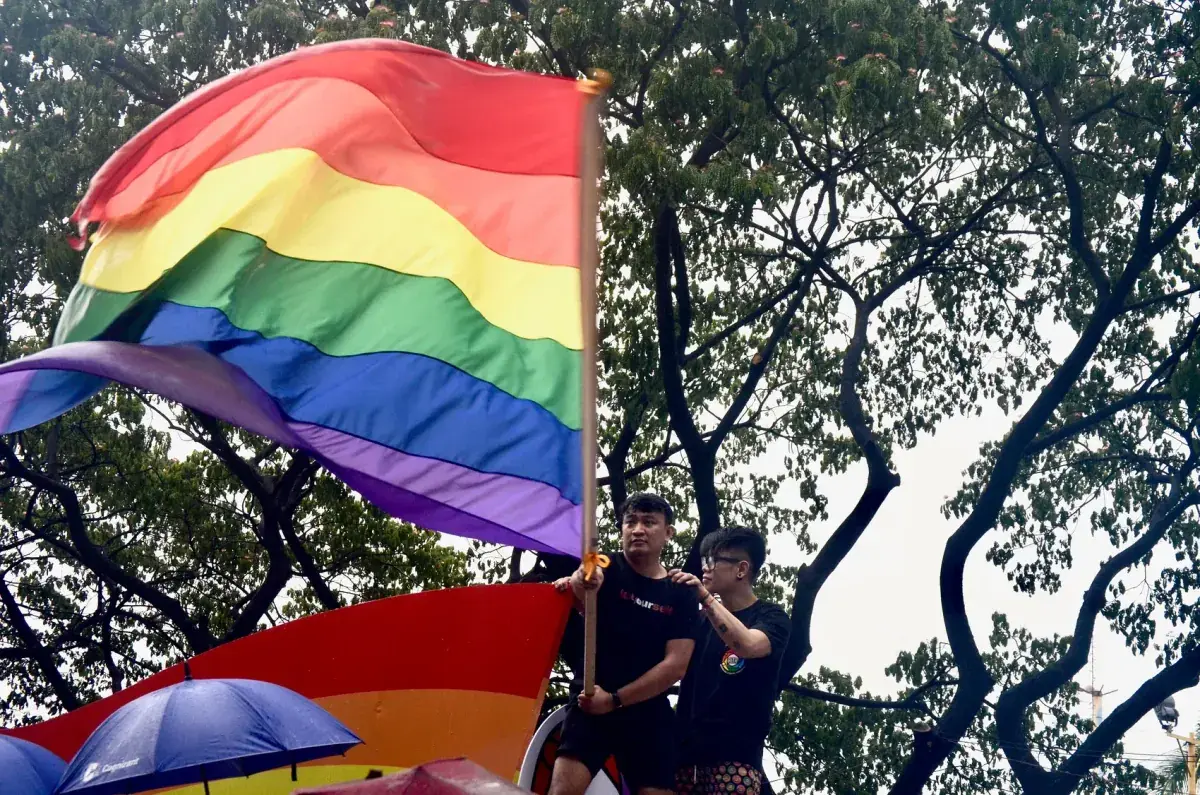
LGBTQ+ Conditions
Independent analysis of sexual orientation and gender identity (SOGI) conditions, encompassing criminalization, societal hostility, and state/non-state actor risk.
Read the framework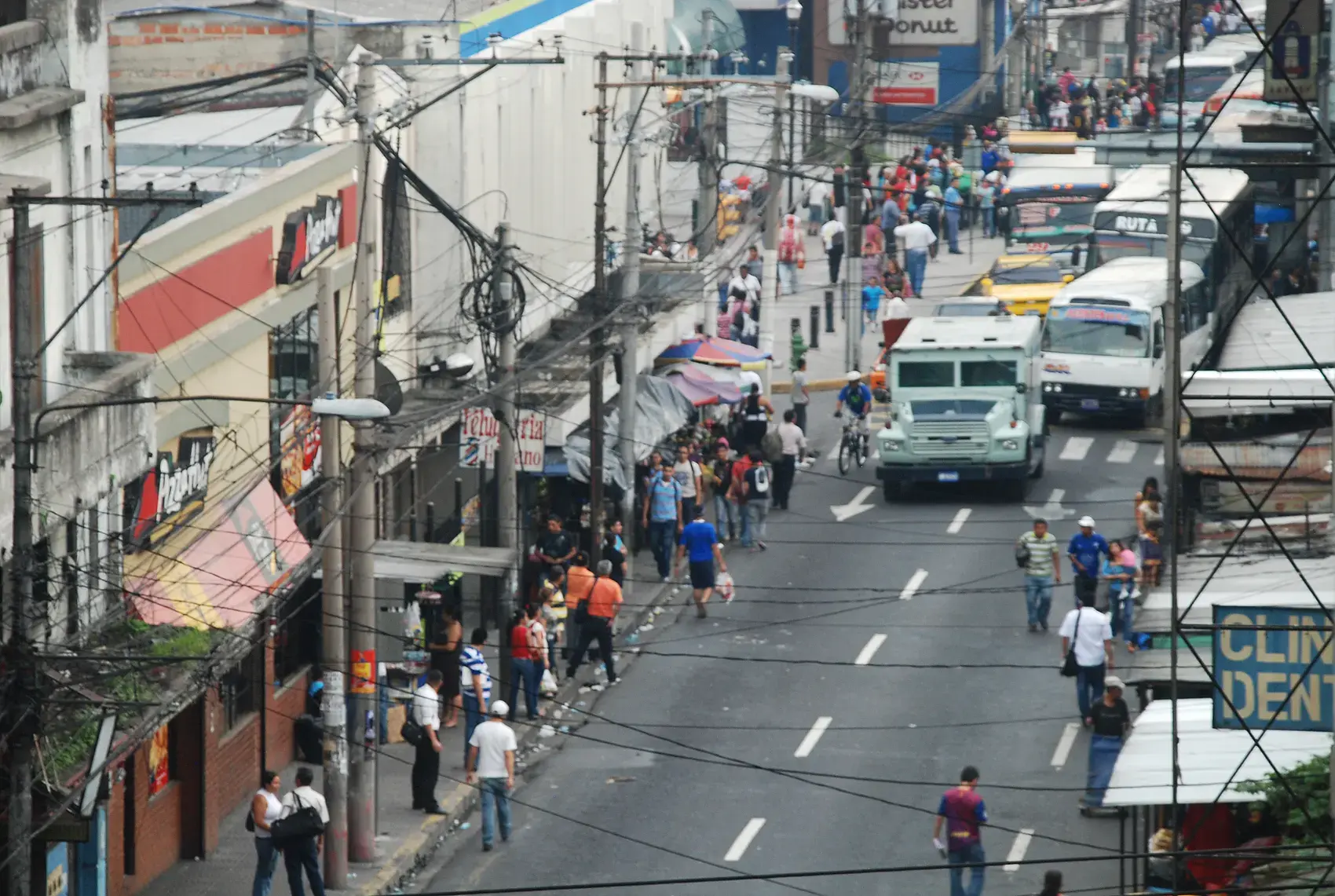
Gang Violence & Extortion
Differentiated analysis of gang-related violence and extortion as non-state actor harm, distinct from state-sponsored political targeting, with focus on Northern Triangle and comparable contexts.
Read the frameworkEvidence that is specific to the place.
Illustrative regions for which country condition evidence is routinely prepared.
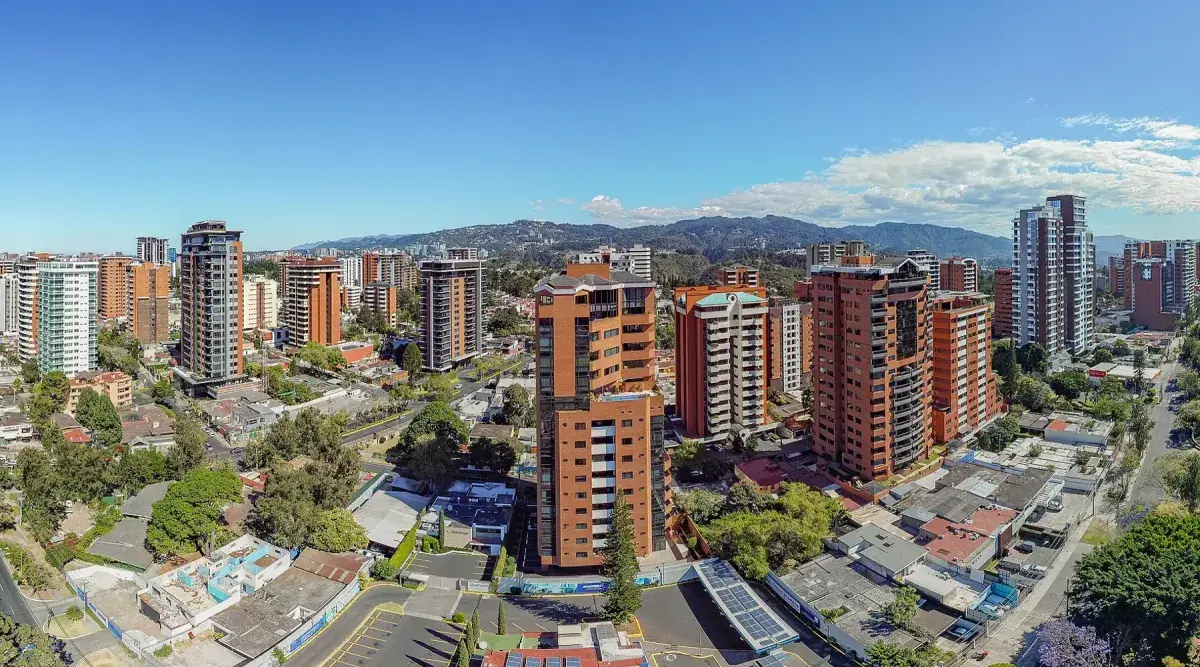
Northern Triangle
El Salvador, Guatemala, and Honduras: gang violence, extortion, gender-based violence, and state protection analysis.
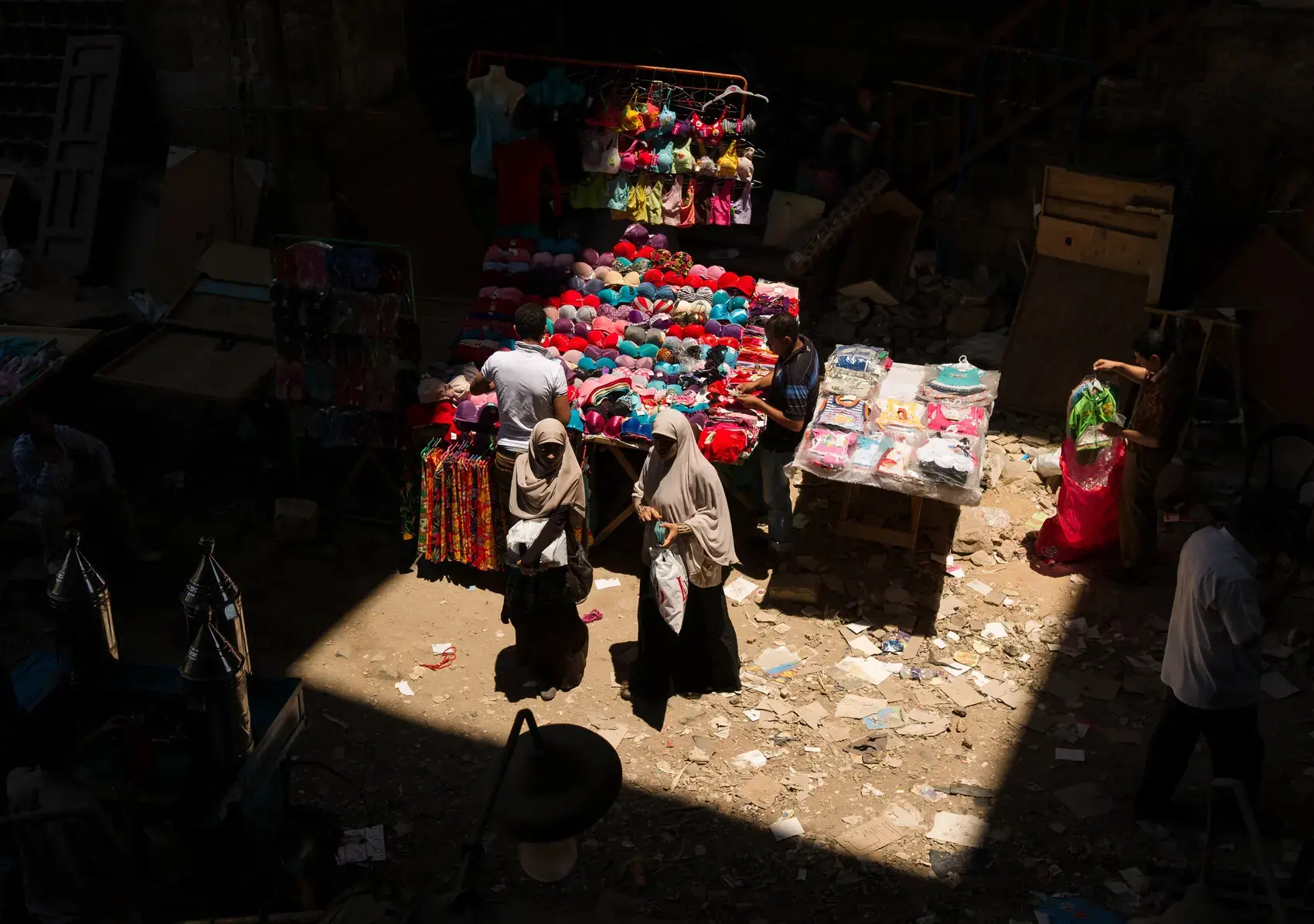
MENA
Middle East and North Africa: political opinion, religious persecution, and SOGI risk environments.
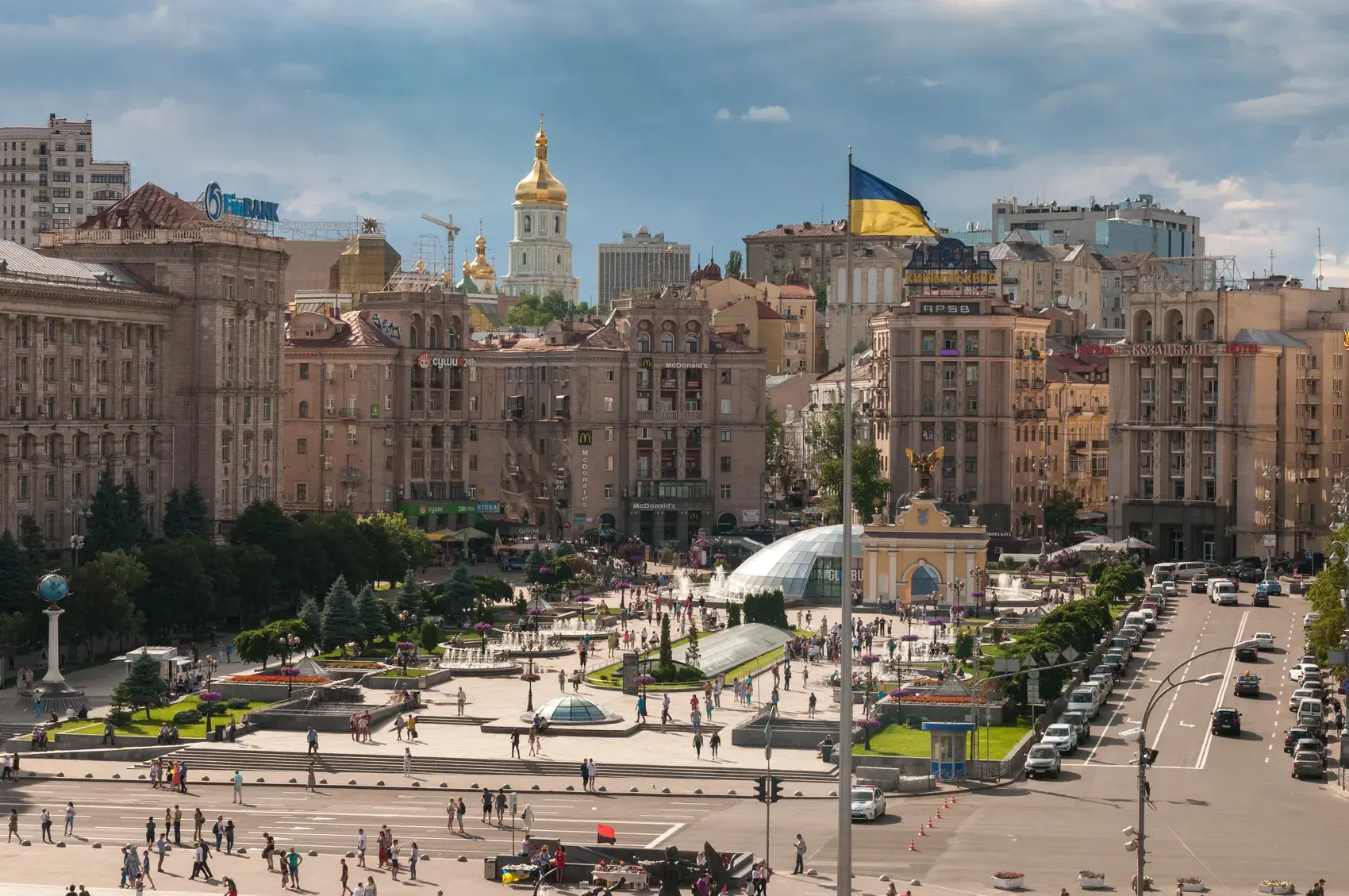
Eastern Europe
Political targeting, minority status, and conflict-adjacent displacement contexts.
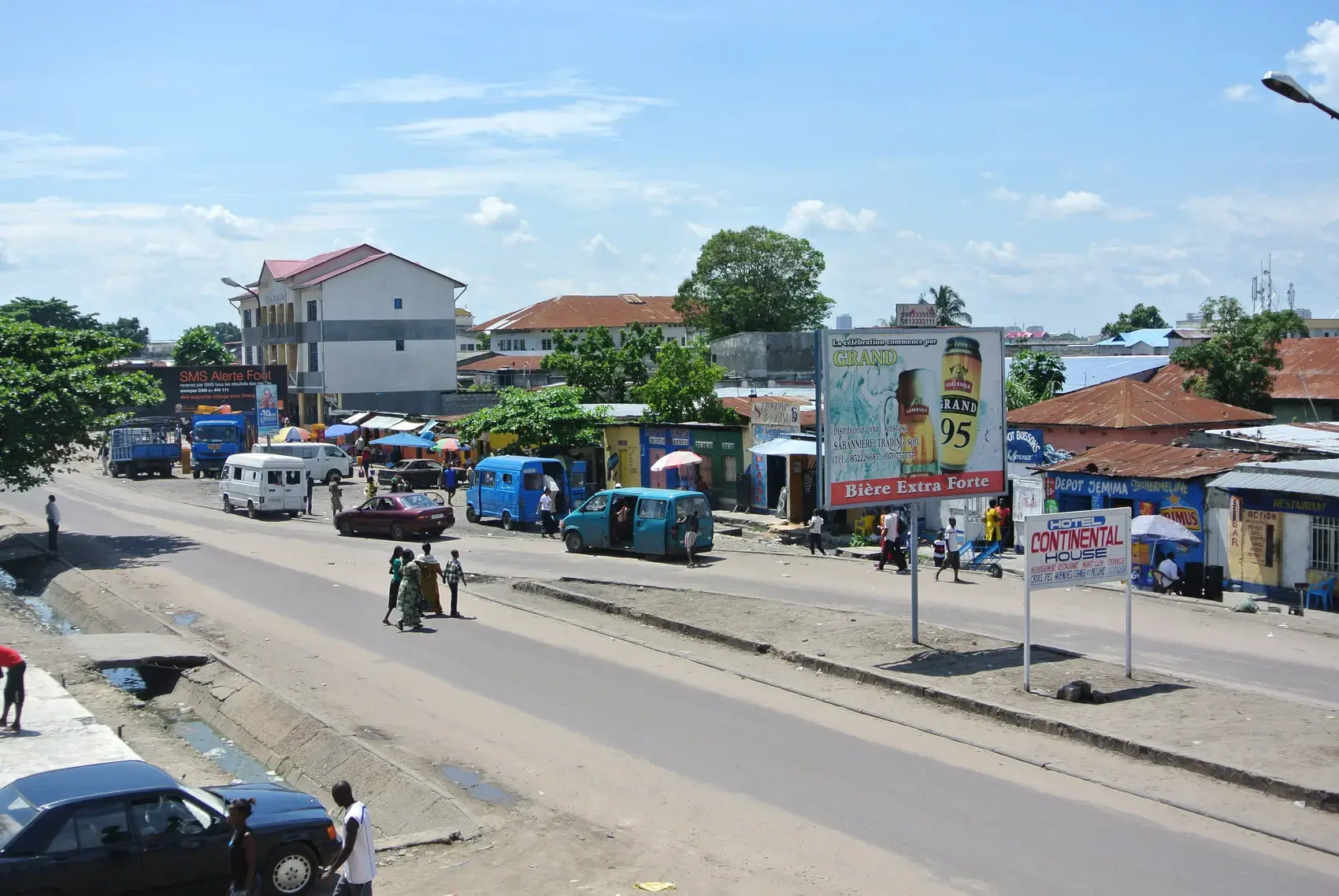
Central Africa
State fragility, ethnic conflict dynamics, and protection capacity assessments.
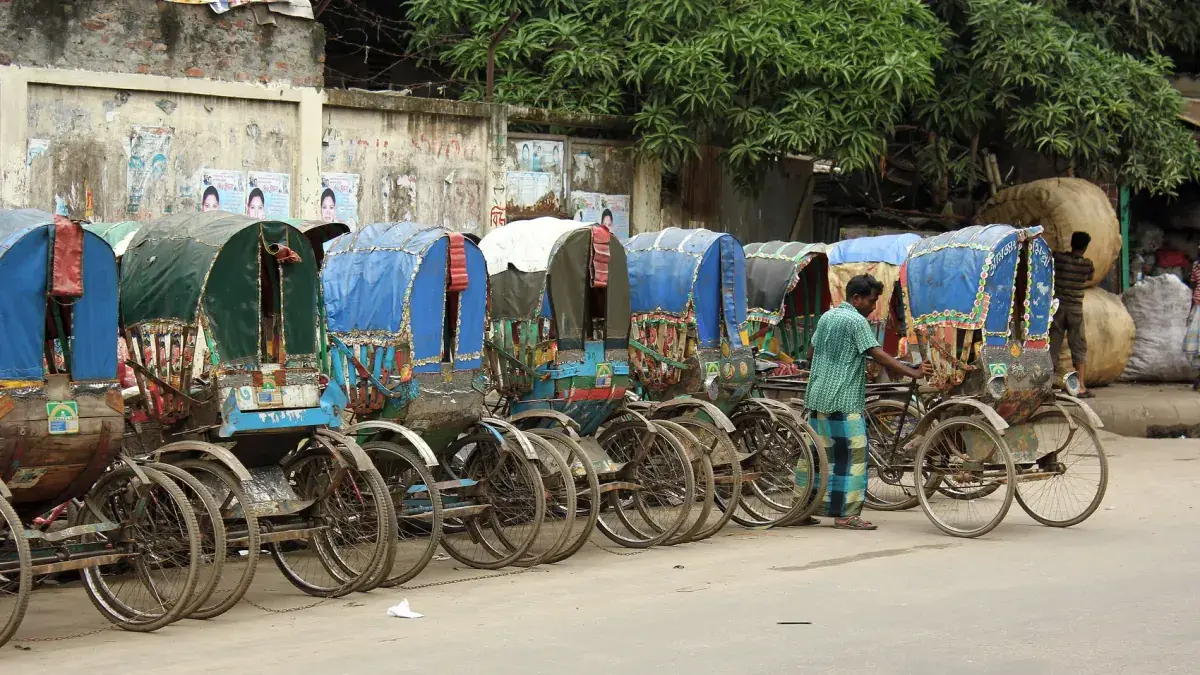
South Asia
Religious and political opinion claims, gender-based violence, and particular social group frameworks.
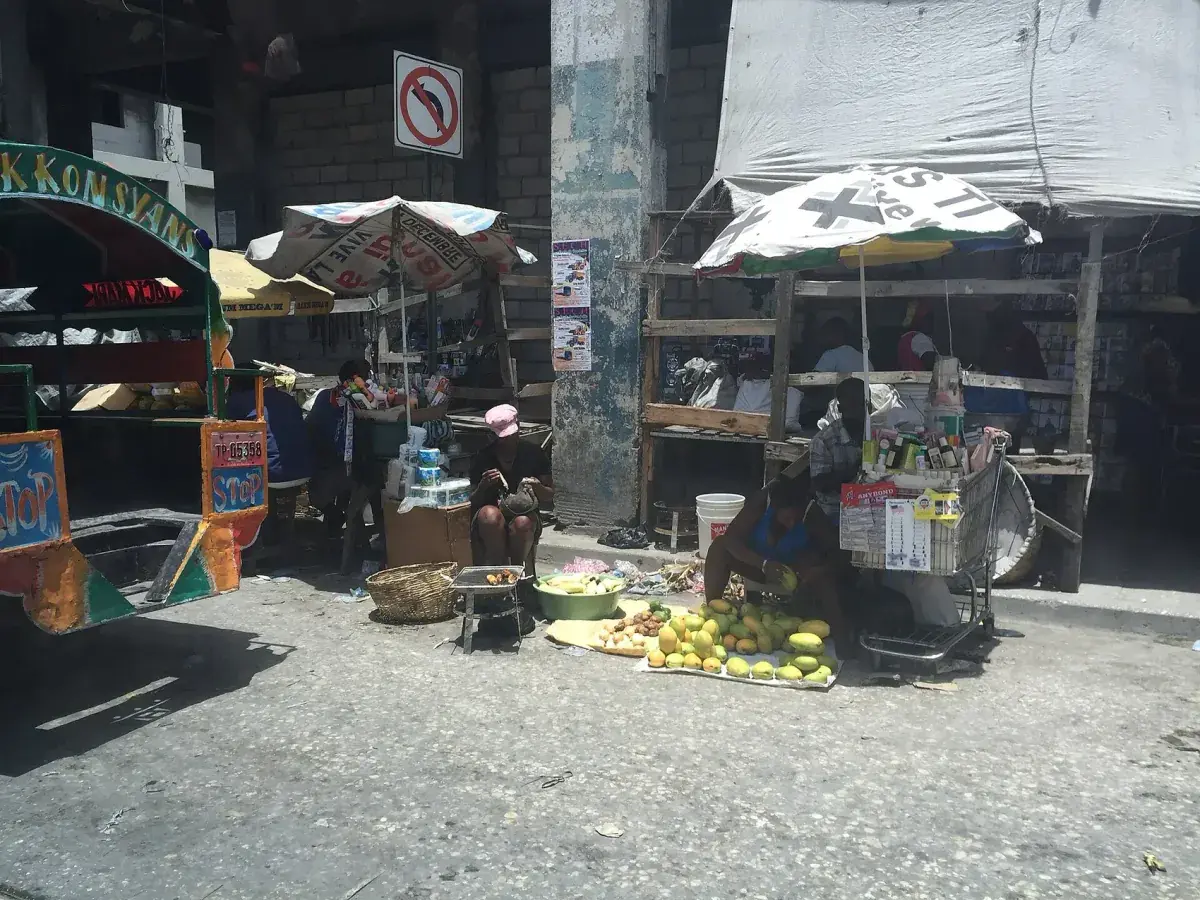
Caribbean
SOGI conditions, gang-related harm, and domestic violence protection gaps.
Measured tone. Cited foundations.
Illustrative excerpt only: no claimant identifiers. Production reports answer the instructing attorney’s legal questions.
Available open-source reporting indicates that individuals identified as political opponents face a heightened risk of arbitrary detention relative to the general population, particularly in areas where security force deployment coincides with electoral contestation.

Not a generic human rights digest.
Institutional reports are essential sources. A court-ready expert declaration applies that evidence to the nuances of an individual’s claim, without adopting the client’s narrative as fact.

For instructing attorneys.
What is a country condition report expert witness?
An independent specialist who synthesizes objective country evidence (political, social, and human rights conditions) into a court-ready report or expert declaration for asylum, withholding of removal, or CAT claims.
How do country condition reports differ from State Department reports?
Generic institutional reports provide background. A bespoke expert declaration applies that evidence to the specific risk paradigm and legal questions in an individual claim, while remaining strictly objective and independently sourced.
How should attorneys request a report without exposing PII?
Use the Request a Report form with client aliases or initials only. Never submit A-numbers, full names, or unredacted I-589 forms through the website.